
Are you wondering how much a plumber costs in Denver, Colorado? Whether you need a leaking pipe repaired, a clogged drain cleared, a new water heater installed, or an emergency plumbing service, understanding local plumbing costs can help you plan your budget and avoid unexpected expenses.
In 2026, plumbing costs in Denver vary depending on the type of repair, labor requirements, materials, accessibility, and urgency of the job. According to Angi’s Denver cost data, homeowners pay approximately $374 per plumbing project on average, with a typical reported range of $203 to $544. Smaller repairs can cost less, while major projects such as sewer line replacement, repiping, and extensive water damage repairs can cost several thousand dollars.
At Professional Plumbers Denver, we understand that every plumbing problem is different. This guide explains common plumbing costs in Denver, what affects your final estimate, when to call a professional, and how to choose the right plumbing contractor for your property.
Average Plumbing Costs in Denver, CO (2026)
The average cost of hiring a plumber in Denver depends on the size and complexity of the project. A simple faucet repair generally requires less labor and material than replacing a water heater or repairing an underground sewer line.
Here is a general overview of plumbing costs homeowners may encounter in Denver.
How Much Does a Plumber Cost in Denver? At a Glance
The table below summarizes the typical ranges discussed later in this guide. Every figure is a general estimate for planning purposes only, not a quote and not Professional Plumbers Denver pricing.
| Service | Typical range |
|---|---|
| Hourly plumber rate (typical, not our rate) | Typically $75-$200 per hour, depending on the job, experience, and time of day |
| Drain cleaning | Angi Denver average about $188, most jobs $113-$277 (not our pricing) |
| Leak detection and repair | Typically $150-$800, depending on location, access, and the repair needed |
| Water heater installation | Typically $1,000-$3,500 for a standard tank model; typically $2,500-$6,500 for a tankless model |
| Water heater repair | Typically $150-$600, depending on the part and the problem |
| Sewer line repair/replacement | Typically $1,000-$4,000 for a spot repair; typically $4,000-$15,000 or more for a full replacement |
| Emergency plumbing call | Typically higher than a standard daytime visit, with after-hours work often costing more; call (720) 390-2652 for an estimate for your job |
Note: Ranges vary by job size, parts, access, and time of day; these are typical ranges, not Professional Plumbers Denver pricing. Always get a written estimate before work starts.
Plumber Hourly Rates in Denver
Plumbers commonly charge in one of two ways: by the hour, or by a flat rate for a defined job. Hourly pricing means you pay for the time on site, plus parts. Flat-rate pricing means you agree to a price for the whole job before work begins, based on the diagnosis. Neither approach is automatically better. Hourly pricing can suit a small, uncertain job, while flat-rate pricing can give more certainty for a well-defined repair or installation.
Many plumbers also charge a call-out or diagnostic fee, in general terms, to cover travel and the time spent finding the problem. That fee may or may not be credited toward the repair, so it is worth asking about it up front. Ask, too, whether the estimate includes parts, labor, disposal of an old unit, and any permit or inspection fees, and whether work done at night, on a weekend, or on a holiday is charged differently.
A written estimate before work starts matters for every job, large or small. It should describe the problem as diagnosed, the work proposed, the parts to be used, and the total price or the basis on which the price will be calculated. If the diagnosis changes once work begins, for example when a wall is opened and hidden damage is found, ask for the revised scope and price in writing before the extra work proceeds. No specific company hourly rate is stated in this guide, because your rate depends on the job and should be confirmed in your own written estimate.
Common Plumbing Repair Costs in Denver
Most Denver plumbing bills fall into a handful of categories. The ranges below are broad, typical ranges for general planning. They are not Professional Plumbers Denver prices, and the final cost for your home will depend on the factors described in the next section.
Leak Repairs
Leak repairs typically range from about $150 to $600 for an accessible leak, such as a visible pipe joint or a supply line under a sink. A leak inside a wall, under a slab, or in a ceiling costs more to find and reach, because detection, opening and restoring surfaces, and drying may all be involved. Water leak detection can be a separate step when the source is not obvious, and it is worth asking whether detection is included in a repair estimate or charged separately.
Toilet Repair and Replacement
Toilet problems are among the most common calls: running toilets, weak flushes, rocking bases, and leaks at the base or supply line. As a general guide, and not as our prices, Angi reported a national average of about $374 for toilet installation, typically $224-$533, and wax ring replacement typically $50-$200, in its August 2024 update. A simple flapper, fill valve, or supply line repair is usually at the lower end of the range, while replacing the whole toilet, moving a drain, or repairing a damaged flange or subfloor adds parts and labor. If you need help with this fixture, see our toilet repair page for the service in general terms.
Faucet and Fixture Repairs
Faucet and fixture repairs typically range from about $100 to $400 for a standard repair, such as replacing a cartridge, washer, or supply line, while installing a new faucet or fixture typically ranges from about $150 to $600, plus the cost of the fixture itself. Designer fixtures, wall-mounted taps, and hard-to-reach installations cost more. Keep the make and model of the fixture, if you know it, because parts availability can change both the price and the time needed.
Pipe Repair
Pipe repair typically ranges from about $150 to $600 for a short, accessible section, and from about $1,000 to $4,000 or more for a longer run, a hidden line, or a full repiping section. Material matters: PEX is generally quicker to install than copper, while copper parts can cost more, and older materials may need additional work to connect safely. Access is often the deciding factor. A pipe in an open basement is a very different job from the same pipe buried under a finished floor.
Drain Cleaning
For drain cleaning in Denver, Angi reported an average of about $188, with most jobs costing $113-$277. These are Angi Denver figures, not Professional Plumbers Denver pricing. A straightforward sink or tub drain is usually at the lower end, while a main sewer line blockage, a drain that needs hydro-jetting, or a blockage that requires a camera inspection to locate the cause will typically cost more. Recurring blockages are a warning sign: they may point to roots, a broken pipe, or a sagging line, rather than a simple clog.
Water Heater Repair vs. Replacement
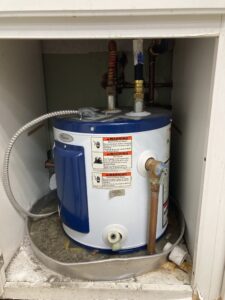
Water heater repair typically ranges from about $150 to $600, for example for a thermostat, heating element, gas valve, or pilot assembly, depending on the model and the part. Installation of a standard tank water heater typically ranges from $1,000 to $3,500, while a tankless model typically ranges from $2,500 to $6,500, because of the unit itself, venting, gas or electrical work, and permits. Size, fuel type, venting route, and code upgrades all affect the total. See our water heater services page for general information about the options. As a rule of thumb, a tank heater over 10 to 12 years old that needs frequent repairs is often worth replacing rather than repairing again, but the right choice depends on its condition, efficiency, and your household needs.
Sewer Line Services
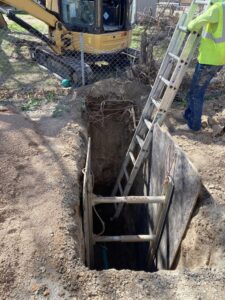
Sewer line work is where typical ranges widen the most, because length, depth, and method matter so much. A sewer camera inspection typically ranges from $150 to $400 and can show roots, cracks, offsets, or a collapsed section before any digging starts. A spot repair typically ranges from $1,000 to $4,000. A full sewer line replacement typically ranges from $4,000 to $15,000 or more, depending on length, depth, access, surface restoration, and whether a trenchless method is suitable. Trenchless methods can reduce digging and surface restoration, but they are not suitable for every line. For general information, see our sewer repair page.
Gas Line Work
Gas line work should only be done by a licensed professional, and it is described here in general terms only. This guide does not claim gas certification for the company. Typical costs vary widely with length, pipe size, appliance connections, testing, and permits, so a site visit and a written estimate are essential. If you smell gas, leave the building, do not switch lights or appliances on or off, and call 911 or your gas utility from outside. Do not try to find or repair a gas leak yourself.
Other Fixtures and Preventive Work
Smaller jobs still affect a household budget when they pile up. A garbage disposal replacement typically ranges from about $200 to $600 including the unit and labor, depending on the model and the existing wiring and drain connections; see our garbage disposals page for general information. Backflow prevention testing and device work also varies by device type and local requirements; see our backflow prevention page. Bundling several small jobs into one visit can reduce repeated call-out costs, as described below.
| Service | What affects the price | Typical range |
|---|---|---|
| Drain cleaning | Blockage location and severity, method, camera inspection | Angi Denver: most $113-$277, average about $188 (not our pricing) |
| Leak repair | Leak location, access, pipe material, surface restoration | Typically $150-$600 for an accessible repair; more for hidden leaks |
| Water heater installation | Type, size, fuel, venting, code upgrades, permits | Typically $1,000-$3,500 tank; typically $2,500-$6,500 tankless |
| Sewer line services | Length, depth, method, access, permits, restoration | Camera typically $150-$400; spot repair typically $1,000-$4,000; replacement typically $4,000-$15,000 or more |
| Emergency plumbing | Time of day, day of week, severity, parts and access | Typically higher than a standard daytime visit; call (720) 390-2652 for an estimate for your job |
All ranges in this table are typical ranges for general planning, not Professional Plumbers Denver pricing and not quotes.
What Affects Your Final Plumbing Bill?
Two homes with the same symptom can receive very different estimates, and that is usually because the underlying jobs are different. These are the factors that most often move a price:
- Job size and complexity: A single washer replacement is not the same as tracing a leak through a wall or replacing a whole run of pipe. More steps, more time, and more risk mean a higher bill.
- Parts and materials: The fixture, valve, water heater, or length of pipe, and whether you choose PEX, copper, or another material, can change the total significantly. Higher-quality parts may cost more up front but last longer.
- Access: Walls, floors, crawl spaces, slabs, and finished surfaces add time. Opening, repairing, and refinishing a surface is part of the job, not an afterthought.
- Permits and inspections: Water heater replacements, sewer work, gas work, and remodels may require permits and inspections in Denver. Permit fees and inspection visits add cost, but they also protect you and keep the work to code.
- Time of day: Nights, weekends, and holidays typically cost more, because the plumber is working outside normal hours. Emergency call-outs are priced differently from scheduled daytime work.
- Age and condition of existing plumbing: Older pipes, corroded fittings, and previous repairs can complicate a job and reveal further work once it is opened up. A written estimate should explain what happens if hidden damage is found.
- Denver labor and permit costs in general terms: Local labor rates, travel across the Denver area, and local permit requirements all feed into a typical Denver estimate. That is why a national average can be a useful starting point but is not a substitute for a local, written estimate.
Emergency Plumbing Costs in Denver
Emergency and after-hours work typically costs more than the same job done during normal business hours. The premium reflects immediate response, work at night or on weekends, and the need to make a home safe quickly, often before a full repair can be scheduled. Because the scope is often unclear until the plumber arrives, an emergency estimate may cover making the situation safe first, with a fuller repair priced afterward.
What counts as an emergency? A burst pipe, a sewage backup, a major leak that cannot be stopped, a complete loss of water, and a gas smell are all emergencies. A slowly dripping tap, while annoying, is usually not an emergency and can wait for a scheduled visit. If you smell gas, leave the building and call 911 or your gas utility from outside, and do not re-enter until it is declared safe.
If it is safe to do so, shut off the water at the main shut-off valve or at the fixture valve, move valuables away from water, and then call (720) 390-2652 to request an estimate and arrange help. Take photos of the damage for your records, but do not wade into sewage-contaminated water or try to repair a burst main yourself. For general information about urgent help, see our emergency plumber page.
How to Get an Accurate Plumbing Estimate
A little preparation makes an estimate much more accurate and much easier to compare. Follow these steps:
- Describe the problem clearly: When did it start, where is it, what have you noticed, and what have you already tried? Photos or a short video can help.
- Note property type and fixture details: House or apartment, approximate age of the home, and the make, model, and size of the fixture or water heater, if known.
- Ask what is included: Parts, labor, disposal of old equipment, permits, inspection fees, and surface restoration should all be named, so you are not surprised later.
- Get it in writing before work starts: A written estimate protects both sides. Ask what happens if the scope changes once work begins.
- Compare like-for-like quotes for larger jobs: For a water heater, sewer line, or remodel, compare the same scope, materials, and warranty terms, not just the bottom line.
- Ask about warranties in general terms: Ask what warranty applies to parts and to labor, how long it lasts, and what it covers, and get the answer in writing.
For an estimate for your job, call (720) 390-2652 and describe the problem. The more detail you can give, the closer the estimate will be to the final bill.
How to Save on Plumbing Costs Without Cutting Corners
- Fix small leaks early: A drip that looks minor can waste water, damage cabinets and floors, and turn into a much larger repair.
- Keep drains maintained: Use strainers, avoid pouring grease down drains, and have slow drains checked before they become blockages.
- Know your shut-off valve location: Knowing where the main shut-off and fixture valves are can limit water damage in an emergency and save on restoration costs.
- Bundle small jobs: Having several minor repairs done in one visit can save repeated call-out fees.
- Maintain your water heater and fixtures: Regular flushing, anode checks where applicable, and replacing worn washers and cartridges on schedule can extend equipment life.
- Avoid chemical drain cleaners in toilets: Harsh chemicals can damage pipes and seals, and they rarely fix the underlying cause. A plunger or professional cleaning is safer for toilets and drains.
Saving money should never mean skipping permits, using the wrong materials, or leaving a gas or sewer problem unaddressed. The cheapest short-term fix is often the most expensive job in the long run.
Rough-In Plumbing Costs for New Builds and Remodels
For readers who came here looking for rough-in costs, here is a short summary, retained from the earlier version of this guide. These are typical ranges, not Professional Plumbers Denver pricing and not quotes. Rough-in plumbing is the stage of a new build or major remodel when supply and drain lines are installed before walls and floors are finished. A whole-house rough-in typically ranges from $8,000 to $12,000, while a single bathroom rough-in typically ranges from $4,000 to $7,000, depending on the number of fixtures, the layout, pipe material, access, and permit requirements. Because rough-in work is tied to the whole project, get a written estimate based on your plans and fixture schedule, and confirm what is included, such as testing, inspections, and connections to the main supply and sewer lines. For a full, up-to-date picture of general plumbing costs, use the sections above, and call (720) 390-2652 for an estimate for your project.
Plumbing Cost FAQs
1. How much does a plumber cost per hour in Denver?
As a typical range, plumbers in Denver often charge about $75 to $200 per hour, depending on the job, experience, and time of day. This is a general typical range, not Professional Plumbers Denver pricing. Some jobs are priced flat-rate instead. Always get a written estimate before work starts, and ask whether a call-out or diagnostic fee applies.
2. How much does drain cleaning cost in Denver?
Angi reported a Denver average of about $188 for drain cleaning, with most jobs costing $113 to $277. These are Angi figures, not Professional Plumbers Denver pricing. Simple sink or tub drains tend to be at the lower end, while main line blockages, hydro-jetting, or camera inspection typically cost more. Call (720) 390-2652 for an estimate for your job.
3. How much does water heater installation cost?
As a broad typical range, a standard tank water heater installation typically costs $1,000 to $3,500, and a tankless installation typically costs $2,500 to $6,500. The total depends on the type, size, and fuel of the unit, venting, gas or electrical work, and permits. These are typical ranges, not company pricing, and not a quote for your home.
4. How much does sewer line replacement cost?
As a broad typical range, a full sewer line replacement typically costs $4,000 to $15,000 or more, while a spot repair typically costs $1,000 to $4,000 and a camera inspection typically costs $150 to $400. Length, depth, method, access, permits, and surface restoration all affect the total. A camera inspection and a written estimate are the best way to narrow the range for your property.
5. How much does leak detection and repair cost?
As a broad typical range, leak detection and repair typically costs $150 to $800, depending on whether the leak is visible or hidden, where it is located, and how much access and restoration work is needed. Hidden leaks under slabs, in walls, or in ceilings typically cost more to find and repair than an accessible leak under a sink.
6. Why do plumbing quotes vary so much?
Quotes vary because the scope, parts, access, permits, and timing vary. Two quotes may look different because one includes permits, disposal, or restoration and the other does not, or because they propose different materials or methods. Compare like-for-like scope in writing, and ask what each quote includes and what would change the price.
7. Is emergency plumbing more expensive?
Typically, yes. After-hours, weekend, and holiday work usually costs more than a scheduled daytime visit, because of immediate response and out-of-hours labor. The premium depends on the time, the severity, and the work needed. For an emergency, shut off the water if it is safe to do so and call (720) 390-2652 for an estimate.
8. Should I repair or replace my water heater?
In general terms, repair is often sensible for a younger unit with a single, straightforward fault, such as a thermostat or element. Replacement is often worth considering if the unit is over 10 to 12 years old, needs frequent repairs, is inefficient, or no longer meets your household demand. Age, repair history, efficiency, and the cost of the repair relative to replacement should all be weighed, and a professional assessment can help you decide.
9. Do plumbers charge for estimates?
Practice varies by company and by job: some visits are charged as a diagnostic or call-out, while other estimates are provided as part of scheduling the work. This guide does not claim a particular policy. To request an estimate from Professional Plumbers Denver, call (720) 390-2652 and ask what applies to your job before booking.
10. How can I get an accurate estimate for my Denver home?
Describe the problem clearly, note your property type and fixture or water heater details, ask what is included in the price, and get the estimate in writing before work starts. For larger jobs, compare like-for-like quotes. To request an estimate for your Denver home, call (720) 390-2652.
Get a Plumbing Estimate in Denver, CO
Plumbing costs in Denver vary widely, but they do not have to be a mystery. Use the typical ranges in this guide to set expectations, ask about scope, parts, access, and permits, and insist on a written estimate before work begins. That approach gives you a fair comparison, fewer surprises, and a result that lasts. Remember: all figures in this guide are typical ranges and general estimates, not Professional Plumbers Denver pricing and not quotes. Your final bill depends on your job.
Call (720) 390-2652 | Request a Plumbing Estimate | Contact Professional Plumbers Denver
Professional Plumbers Denver, 4400 S Quebec St, Suite 208, Denver, CO 80237 | info@professional-plumbers-denver.com | Open 24 hours, 7 days a week.